

Non-Diastatic Malt Powder Recipes
Ever wonder why bagel-shop bagels taste like that? Usually it's malt, the toasty flavor and deep golden crust behind great bagels, soft pretzels and pizza. These 27 non-diastatic malt powder recipes bring that flavor home, and every single one has malt right in the ingredient list.
Six to Bake First
One from each section, starting with the bagel that puts malt powder in the dough and the pot. If you only make one, make that one.

NY-Style Bagels with Malt Powder
The cleanest malt bagel we found: non-diastatic malt powder in the dough and two more tablespoons in the boiling water. Weighed in grams, so your second batch matches the first.

Soft Sourdough Pretzel Bites
No lye required. These sourdough bites get non-diastatic malt powder in the dough, which the baker credits for their flavor and deep brown finish. Salt them while they're warm.

Taco Pizza with a Quad Cities Malt Crust
Quad Cities pizza is known for malt in the crust, and this dough takes a hefty pour of malt syrup for a sweet, well-browned base. Then the toppings go full taco night.

Barley Malt Pull-Apart Rolls
Malt is the headline here, with barley malt syrup in the dough and brushed over the top, so these soft pull-apart rolls bake up glossy and deep golden.

Malted Sourdough Milk Bread
A soft sourdough pan loaf with non-diastatic malted barley flour written right into the formula. The baker mills his own malt; a scoop of non-diastatic malt powder is the shortcut.

Homemade Malt Loaf
The sticky British teatime classic: tea-soaked fruit, a one-bowl batter, and malt extract in the loaf and brushed on top. Wrap it up and it gets stickier by day two.
Bagel-Shop Bagels
This is where malt earns its reputation. New York-style, sourdough and vegan bagels, most with malt in the dough and the boiling water too.
NY-Style Bagels with Malt Powder
The cleanest malt bagel we found: non-diastatic malt powder in the dough and two more tablespoons in the boiling water. Weighed in grams, so your second batch matches the first.

Homemade New York-Style Bagels
Barley malt syrup goes in twice, 42 grams in the dough and a quarter cup in the boil, for a chewy New York-style bite. Non-Diastatic Malt Powder is the dry swap for both.

Sourdough Bagels with a Malt Bath
A naturally leavened bagel with barley malt syrup in the dough and a quarter cup in the bath. His own note: dry malt powder works in the dough too, as long as it isn't diastatic.

Vegan Sourdough Bagels
Plant-based and built on a sourdough starter, these New York-style bagels call for non-diastatic malt powder by name. The baker adds it for flavor, and you can taste it in the crust.

Let's Make Bagels
A home baker's step-by-step bagel and the one recipe here that names malt powder for the pot: two tablespoons of malt syrup or non-diastatic malt powder in the boil.

New York-Style Sourdough Bagels
Maurizio Leo's well-loved sourdough bagel stirs barley malt syrup into the dough for a sweet, malty chew. He skips malt in the boil on purpose and explains why.

Toasty flavor. Golden crust.
One ingredient: 100% malted barley flour, non-GMO sourced. Its enzymes are inactive, so it sticks to two jobs, toasty malt flavor and a deep golden crust. Mix 1-2 teaspoons per cup of flour into bagel, pretzel or pizza dough, or stir a spoonful into the bagel boil. It's also the dry swap for barley malt syrup, minus the sticky jar.
Soft Pretzels and Pretzel Bites
Lye-dipped, baking-soda-bathed and simply brushed, from German pretzels to bites built for dipping. Every dough has malt in it, and the crust shows it.
Soft Sourdough Pretzel Bites
No lye required. These sourdough bites get non-diastatic malt powder in the dough, which the baker credits for their flavor and deep brown finish. Salt them while they're warm.

German Pretzels
A German-born baker's lye pretzels with a tablespoon of malted barley flour in the dough. That's exactly what our Non-Diastatic Malt Powder is, so this one is a direct match.

Soft Pretzels with Beer Cheese
A pastry chef's chewy bread pretzels, sweetened with malt syrup and served with sharp beer cheese for dipping. Out of syrup? Non-Diastatic Malt Powder fills in.

Bavarian Soft Pretzels
Classic Bavarian shape, coarse salt and a baked-baking-soda bath for a deep mahogany crust. A little malt powder in the dough adds the toasty note you know from the pretzel stand.

Homemade Pretzel Bites
A retired pastry chef's bite-size pretzels with barley malt syrup in the dough and the bath. Serve them with her mustard-cheese dip and plan on a second batch.

Fresh-Milled Whole Wheat Soft Pretzels
Freshly milled whole wheat makes these pretzels nutty and hearty, and a half teaspoon of barley malt syrup rounds out the flavor. A spoon of malt powder does the same job dry.
Malted Pizza Dough
A Quad Cities malt crust, a Los Angeles-style dough and a crisp thin crust. Malt brings color and a gentle sweetness to all three.
Taco Pizza with a Quad Cities Malt Crust
Quad Cities pizza is known for malt in the crust, and this dough takes a hefty pour of malt syrup for a sweet, well-browned base. Then the toppings go full taco night.

Blistered Pizza with Burrata
A home baker's version of a famous Los Angeles pizzeria dough, topped with burrata and cherry tomatoes. The dough takes diastatic malt or barley malt; our powder covers the barley-malt route.

Thin-Crust Pizza Dough
A tablespoon of barley malt syrup and a 24-hour cold rest give this thin crust a crisp, golden-brown underside. Use non-diastatic malt powder for a dough with no sticky spoon.
Rolls and Buns
Pull-apart dinner rolls, hoagie rolls and sesame burger buns, each with barley malt syrup for flavor and a deeper golden top.
Barley Malt Pull-Apart Rolls
Malt is the headline here, with barley malt syrup in the dough and brushed over the top, so these soft pull-apart rolls bake up glossy and deep golden.

Homemade Hoagie Rolls
Soft, scored sub rolls made for stacking a sandwich high. The baker notes they brown less without the barley malt syrup, which tells you what that spoonful is doing.

Homemade Hamburger Buns
Soft sesame buns sturdy enough for a stacked burger, with half a teaspoon of barley malt syrup for flavor. Non-Diastatic Malt Powder does that job straight from the pantry.
Sandwich Loaves and Rye Breads
Three soft loaves for toast and sandwiches, then three ryes. Malted barley flour, malt syrup or malted wheat flakes go into every one.
Malted Sourdough Milk Bread
A soft sourdough pan loaf with non-diastatic malted barley flour written right into the formula. The baker mills his own malt; a scoop of non-diastatic malt powder is the shortcut.

Seeded Whole Wheat Sandwich Bread
A cold-fermented, no-knead seeded loaf baked in a lidded pullman pan. Barley malt syrup is the baker's pick for depth of flavor, and it shows in every slice.

Malt Bread
An American take on a British granary loaf, with barley malt syrup and malted wheat flakes in every slice. Soft enough for sandwiches, nutty enough to eat plain.

Sourdough Rye Bread
Deli-style caraway rye with a sourdough tang and 20 grams of barley malt syrup for color and depth. The post doubles as a clear lesson in what malt does for a loaf.

Hearty Dark Rye Bread
Old-world dark rye studded with whole rye berries and sweetened with malted barley syrup. Dense and earthy, made for thin slices with butter and smoked fish.

Sourdough Caraway Rye
A writer rebuilds the rye bread of his childhood, with a spoonful of barley malt syrup in a sourdough caraway loaf. Swap in Non-Diastatic Malt Powder for the same malty note.
A Little Malty Sweet
Two takes on the British malt loaf and a pan of malted cinnamon rolls. These lean on malt extract and malt syrup, the sticky cousins of the powder.
Homemade Malt Loaf
The sticky British teatime classic: tea-soaked fruit, a one-bowl batter, and malt extract in the loaf and brushed on top. Wrap it up and it gets stickier by day two.

Malted Sourdough Cinnamon Rolls
Barley malt syrup in the dough and malted milk powder in the filling and frosting. That double dose makes these sourdough cinnamon rolls taste a little like a malt shop.

Rich Dark Malt Loaf
Darker and denser than the teatime classic, with 150 grams of malt extract and dark sugar in the batter. Slice it thick and spread with salted butter.
Stock the Pantry

Free shipping on orders over $30

The Scoop on our Non-Diastatic Malt Powder
The secret behind bagel-shop bagels: toasty malt flavor and a deep golden crust from one ingredient, 100% malted barley flour. It's non-diastatic, so it's here for flavor and color - perfect for bagels, soft pretzels and pizza dough.
 Bagel-Shop Flavor
- Gloriously Golden
- One Ingredient
- Free shipping on orders over $30

We've Got Answers
What does non-diastatic malt powder do in a recipe?
It brings malt flavor and color. Malted barley adds a toasty, gently sweet depth and helps the crust brown to a deep golden finish, which is why bagel shops and pretzel bakers keep it around. Its enzymes are inactive, so it leaves the rise to your yeast and sticks to taste and color.
What's the difference between diastatic and non-diastatic malt powder?
Both start as malted barley. Diastatic malt powder keeps its enzymes active, and they turn flour starch into sugars the yeast can feed on, so bakers use it to help a loaf rise and brown. Non-diastatic malt powder has inactive enzymes, so it adds malt flavor and golden color only. Reach for Diastatic when the dough needs help rising, and non-diastatic when you want bagel-shop flavor and crust. Plenty of bakers keep both.
How much non-diastatic malt powder should I use?
Start with 1-2 teaspoons per cup of flour, whisked in with the dry ingredients. One teaspoon gives a subtle toastiness and better browning; two gets you closer to bagel-shop flavor. If a recipe puts malt in the bagel boil, stir a spoonful of powder into the pot.
Can I use non-diastatic malt powder instead of barley malt syrup?
Yes. It does the same malty job, golden color included, and skips the sticky jar. Syrup is a liquid and powder is dry, so they don't measure the same way: use 1-2 teaspoons of powder per cup of flour in the dough and a spoonful in the bagel boil, then taste your first batch and adjust from there.
Why do bagel shops put malt in the boiling water?
The boil sets the bagel's crust, and malt in the water leaves a little sugar on the surface. That sugar browns in the oven, so the bagels come out a deeper golden color with a hint of malt flavor. Plain water works too, the bagels just bake up paler. Non-diastatic malt powder dissolves into the pot the same way syrup does.
Is non-diastatic malt powder gluten-free?
No. It's made from malted barley, and barley contains gluten, so it isn't safe for anyone with celiac disease or a gluten sensitivity. Most of the recipes on this page are built on wheat flour too.
More Baking Adventures
Baking Aids
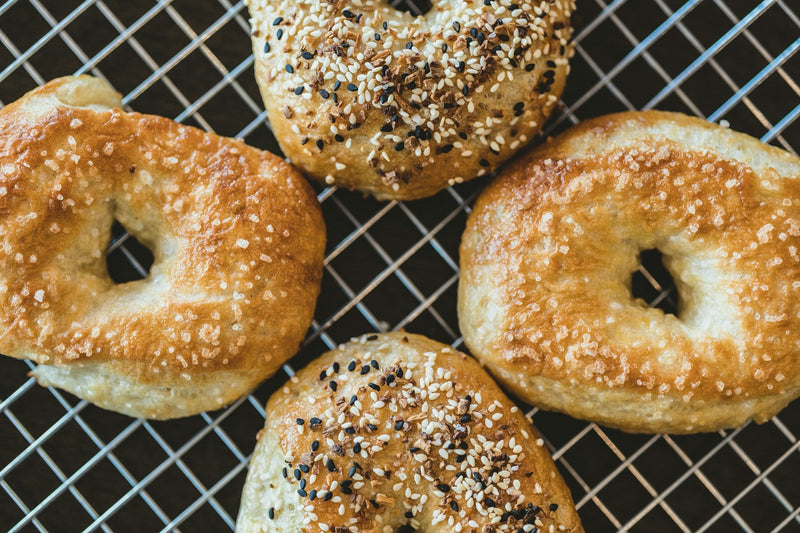
Diastatic vs Non-Diastatic Malt Powder
Same grain, two different jobs. Which malt to reach for, and how much.
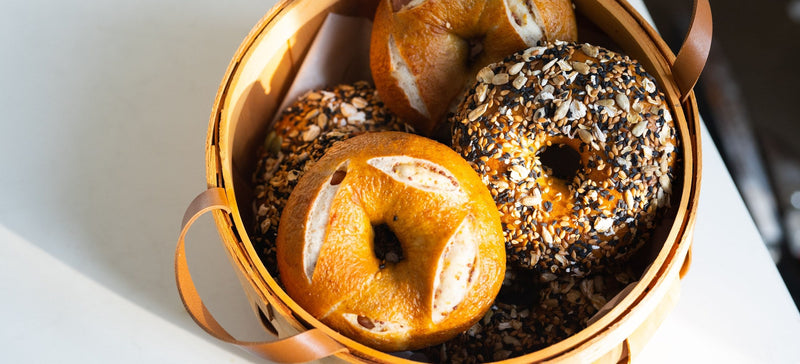
The Best Bagel Recipes
From your first batch to bagel-shop level, malt in the boil included.
Baking Aids
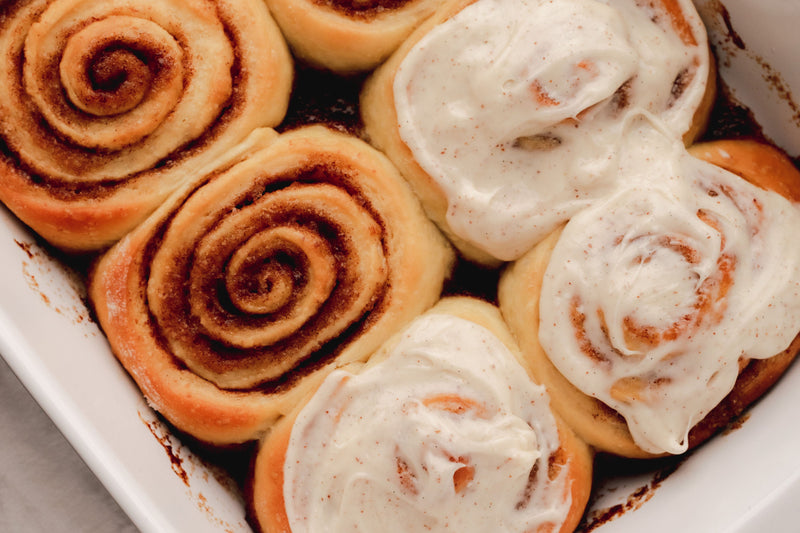
What Is Diastatic Malt Powder?
The malt that helps yeast do its thing, and when your bread wants it.
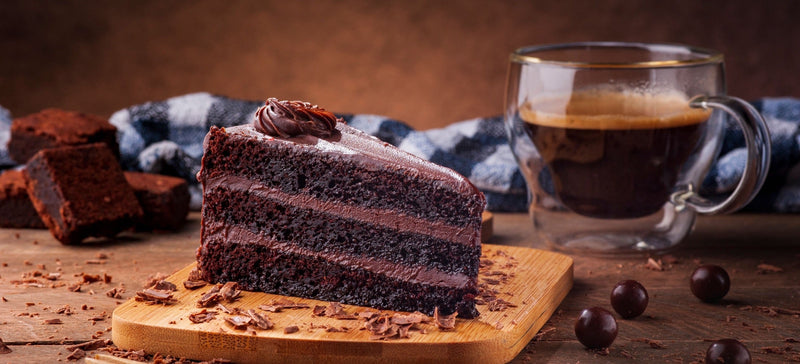
Malted Milk Powder Recipes
The sweet side of malt, from malted cookies to diner milkshakes.
Bread
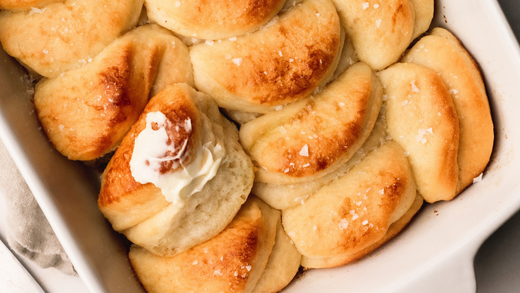
Parker House Rolls
Buttery, pull-apart dinner rolls from our own kitchen, golden on top and gone by dessert.
Bread
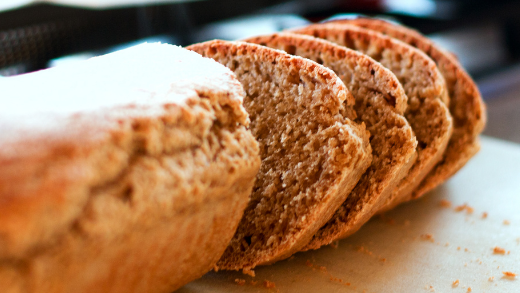
The Best KAMUT Flour Recipes
Nutty, buttery ancient wheat for breads, rolls and more.