If your homemade bread rises fine but never gets that bakery-level crust, color, and crumb, diastatic malt powder is the secret weapon you're missing. A teaspoon does what extra kneading and longer proofing can't.
What is diastatic malt powder?
It's a natural dough conditioner, typically made from malted barley flour, that enhances rise, texture, flavor, and color. It's made by sprouting grain, drying it, and grinding it fine - and that sprouting step develops enzymes the dry grain doesn't have. The word "diastatic" refers to those enzymes, which stay active in the powder. That's what separates it from non-diastatic malt.
WHAT'S IN OURS
Some brands cut diastatic malt with wheat flour, dextrose, or cane sugar. Ours is 100% malted barley flour, nothing else - which also makes it vegan, with no animal-origin additives.
How does diastatic malt powder work?
It comes down to sugar. The key enzyme, alpha-amylase, breaks the starch in your flour into simple sugars like maltose and glucose. Those sugars feed the yeast, and well-fed yeast means a stronger rise, a lighter crumb, better browning and crust color, a subtle malty sweetness, and a slightly longer shelf life.
Why does sprouting the barley matter?
The whole point comes down to one step: sprouting. When barley is soaked and allowed to sprout, the seed switches on enzymes - chiefly alpha- and beta-amylase - to convert its stored starch into sugar. Maltsters stop the process by drying the grain gently, low enough to keep those enzymes alive, then grind it fine. That's the difference between diastatic malt and plain barley flour: the dry, unsprouted grain doesn't have the same enzyme punch. Because ours is dried to preserve the diastase, the enzymes go to work the moment the powder hits wet dough. Heat it too hard and you'd deactivate them - which is exactly how non-diastatic malt is made.

Diastatic vs non-diastatic malt vs malted milk powder?
| Diastatic Malt Powder | Non-Diastatic Malt Powder | Malted Milk Powder | |
|---|---|---|---|
| What it is | Malted barley, enzymes active | Malted barley, enzymes deactivated | Malted grains + milk powder |
| Active enzymes? | Yes | No | No |
| Main job | Fuels yeast: rise, crumb, crust | Adds color, flavor, aroma | Adds sweet, malty flavor |
| Where it goes | Bread dough (baguettes, bagels, pizza) | Breads, syrups, flavoring | Shakes, hot chocolate, desserts |
| Contains gluten? | Yes (barley) | Yes (barley) | Usually (barley) |
| Contains dairy? | No (ours is vegan) | No | Yes (milk powder) |
The one to never confuse is malted milk powder - it's a flavoring, contains dairy, and won't help your rise. If a recipe wants dough performance, you want diastatic malt; if it wants a malty flavor, you want malted milk powder. And if a recipe names diastatic or non-diastatic specifically, don't swap one for the other.
How do you use diastatic malt powder?
Less is more - too much and the enzymes overwork the dough, leaving it slack and sticky.
- Rule of thumb: about 1 tsp per 3 cups of flour, or roughly 1 to 2% of flour weight.
- Best in lean, yeasted doughs: baguettes, sourdough, artisan breads.
- Great for pizza dough: better rise, structure, golden color, subtle maltiness.
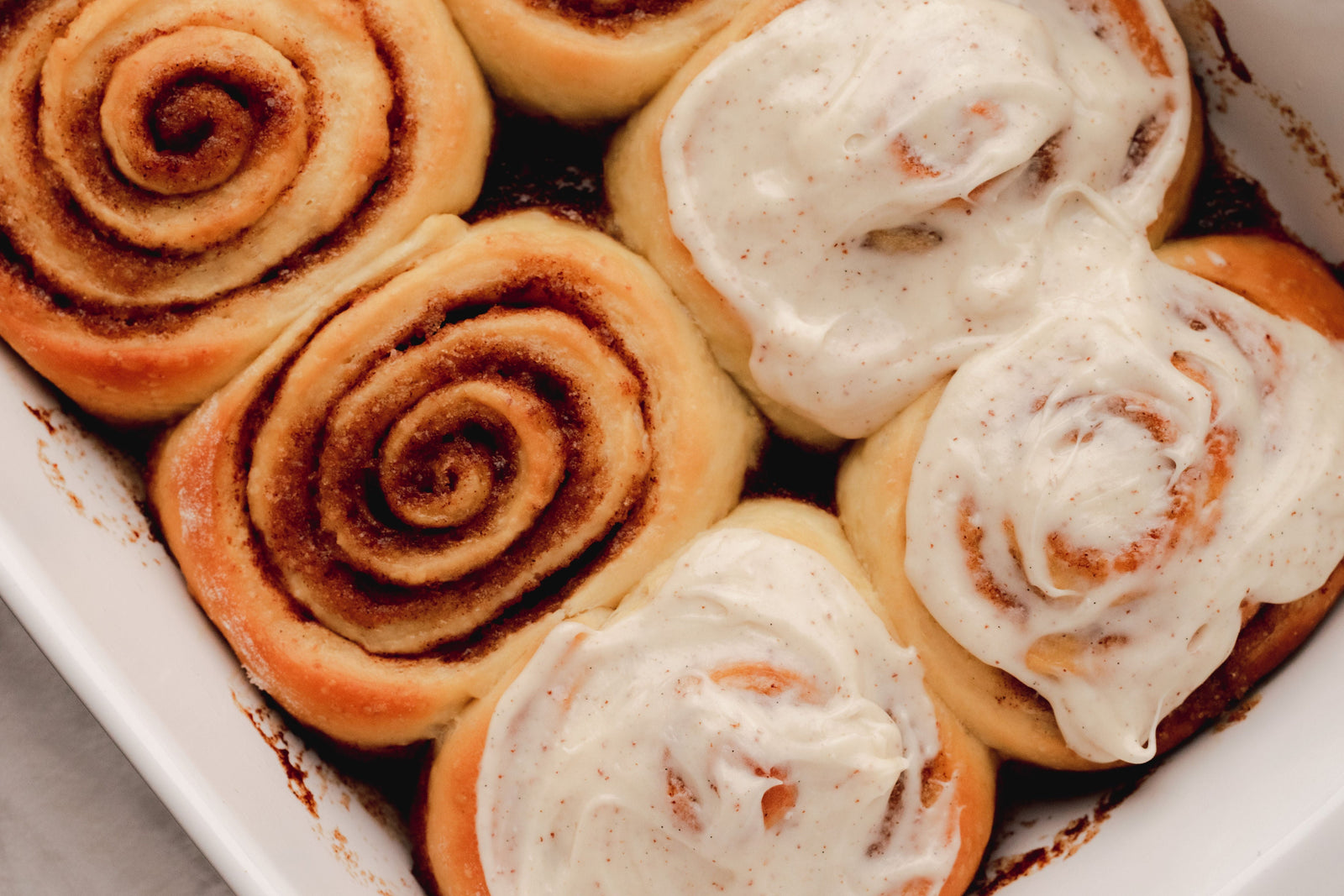
- Works in enriched doughs: cinnamon rolls, brioche, croissants.
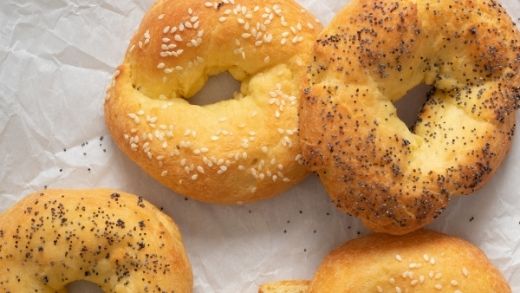
- Ideal for bagels and pretzels: add it to the dough, and use malt in the boiling/dipping bath too.
PRO MOVE
Pair diastatic malt with whole grains, an active sourdough starter, or a pre-ferment. The extra enzyme activity gives slow-fermenting doughs a noticeable lift.

What can I substitute for diastatic malt powder?
No perfect one-to-one swap, because the enzyme activity is what makes it work.
- For rise and browning: a small amount of barley malt syrup, or a pinch of sugar or honey - though neither matches the enzyme boost.
- For flavor and color only: non-diastatic malt or barley malt syrup adds the malty note and crust color without the dough-performance lift.
- When it isn't essential: many lean breads turn out well without it - just a slightly paler crust and marginally less loft.
For the full effect, the real thing is worth keeping on the shelf. Shop Modern Mountain Diastatic Malt Powder.

How should you store it, and how long does it last?
Keep it cool, dry, dark, and sealed, and it holds its power for 12 months or more. Fresh diastatic malt is light tan and smells sweet and malty. If it's darkened, clumped, or lost its aroma, the enzymes have faded - replace it.