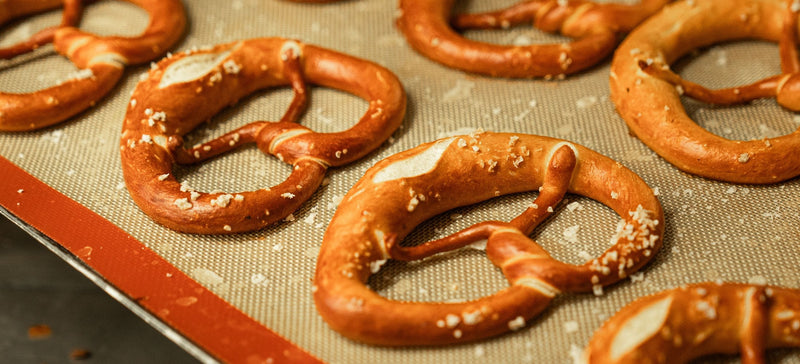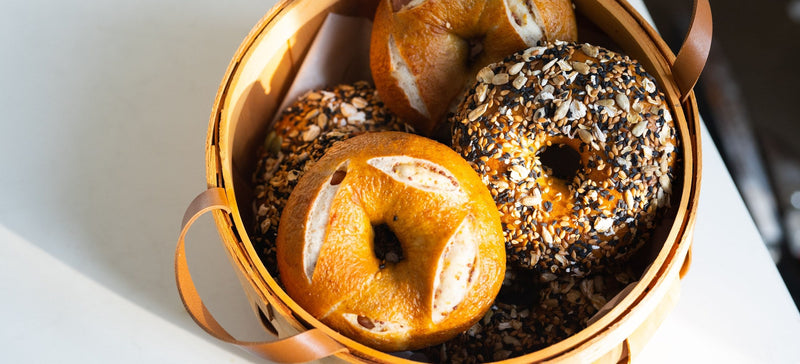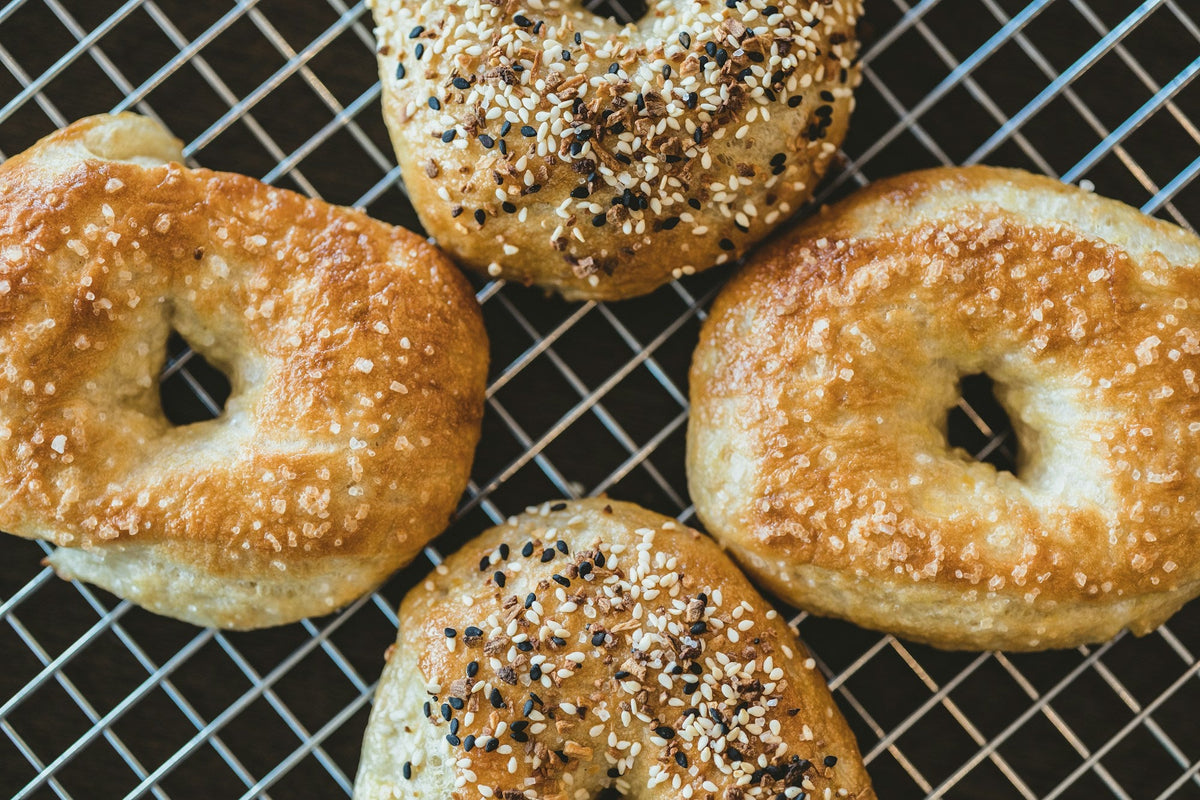
Same grain, two very different jobs. Diastatic malt powder has active enzymes that feed yeast, so it's all about rise and crumb. Non-diastatic malt powder has those enzymes switched off, so it brings flavor and color instead: a toasty malt taste and the deep golden crust you know from a good bagel shop. Need more lift? Diastatic. Need that bagel-shop flavor? Non-diastatic.
If you want the full science on enzymes, our guide to what diastatic malt powder is goes deep. This one is the side-by-side: what each powder does, when to reach for which, how much to add, and how to swap out barley malt syrup.
What is non-diastatic malt powder?
Non-diastatic malt powder is malted barley that's been heated enough to switch its enzymes off, then ground fine. With the enzymes out of the picture, it isn't there to help your dough rise. Its job is flavor and color: a faintly sweet, malty note in the crumb and a crust that bakes up deep golden-brown.
It's the flavor people can't quite name but miss when it's gone. That's why bagel shops and pretzel bakers keep malt within arm's reach, and why a homemade bagel without it can taste a little flat next to the one from the corner shop.
WHAT'S IN OURS
One ingredient: malted barley flour. Our Non-Diastatic Malt Powder is non-GMO sourced, with no fillers and no artificial flavors. Like any barley malt, it contains gluten.
What's the difference between diastatic and non-diastatic malt powder?
It comes down to the enzymes. Diastatic malt is dried gently so its enzymes survive. Once they hit wet dough, they break starch into sugars the yeast can eat, and well-fed yeast gives you a stronger rise and a lighter crumb. Non-diastatic malt is heated past that point, so the enzymes are done working and what's left is the malt itself.
| Diastatic Malt Powder | Non-Diastatic Malt Powder | |
|---|---|---|
| Enzymes | Active | Switched off by heat |
| What it does | Feeds yeast for a stronger rise, lighter crumb and better browning | Adds toasty malt flavor and a deep golden crust |
| Best for | Whole-grain loaves, sourdough, lean breads, pizza dough that needs more lift | Bagels, soft pretzels, pizza crust, rolls, the bagel boil |
| How much | About 1 tsp per 3 cups of flour | 1-2 tsp per cup of flour |
| Flavor | A subtle malty note in the background | Rich and malty, front and center |
| Gluten-free? | No (barley) | No (barley) |
Look at the "how much" row. That gap is the enzymes at work. A little diastatic goes a long way, and too much leaves dough slack and sticky. Non-diastatic has no enzymes to overdo, so you use more of it and actually taste it.
When should you use diastatic vs non-diastatic malt?
Start by asking what your dough is missing.
- It needs lift: reach for Diastatic Malt Powder. Whole-wheat and whole-grain loaves, slow sourdough and lean breads all get more lift and better browning from it.
- It needs flavor and color: reach for non-diastatic. Bagels, soft pretzels, pizza crust, dinner rolls and English muffins pick up more malt flavor and a deeper golden finish.
- It needs both: some bakers use a small pinch of diastatic for rise and let non-diastatic carry the flavor. Keep the diastatic small and the two get along fine.
CHECK YOUR FLOUR BAG
Plenty of bread and all-purpose flours already list malted barley flour in the ingredients. That's diastatic malt doing quiet work, so go easy before adding more. Non-diastatic adds no enzyme activity, so it plays nicely with any flour.
One more rule: if a recipe names one specifically, use that one. They aren't interchangeable, which is the whole point of having two.

How do you use non-diastatic malt powder?
Whisk it in with your dry ingredients and bake the way you normally would. No new technique, no extra step.
- Bagels, pretzels, pizza and bread: 1-2 teaspoons per cup of flour. Start at 1 and go up if you want the malt front and center.
- The bagel boil: stir a spoonful into the water before the bagels go in for a deeper golden crust.
- Pizza night: a little malt in the dough helps a home-oven crust pick up color, since most home ovens can't reach pizza-oven heat.
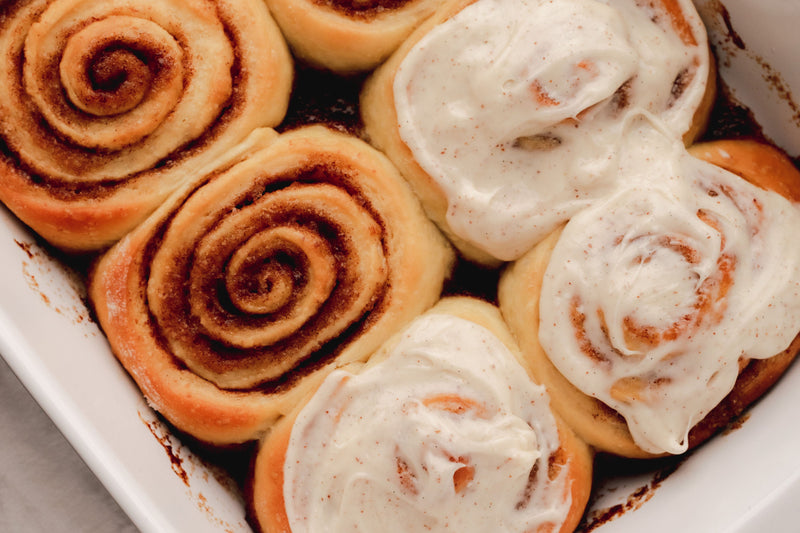
- Rolls and English muffins: the same 1-2 teaspoons per cup gives them a maltier flavor and a browner top.
THE BAGEL-SHOP COMBO
Malt in two places: a spoonful in the dough for flavor, a spoonful in the boil for color. That's the move behind a bagel that tastes like it came from a shop with a line out the door.
Need something to bake first? Our non-diastatic malt powder recipes start with bagels and work their way to pizza, and the bagel recipes round-up has a whole board's worth more.

Can non-diastatic malt powder replace barley malt syrup?
Yes, and it's the easier one to keep in the pantry. Barley malt syrup shows up in plenty of bagel and pretzel recipes, and non-diastatic malt powder does the same malty job in dry form. No sticky jar, no syrup glued to the measuring spoon.
- In the dough: leave out the syrup and use the powder at 1-2 teaspoons per cup of flour, mixed in with the dry ingredients.
- Watch the dough: syrup brings a little liquid with it. If your dough feels stiffer than the recipe describes, add water a teaspoon at a time.
- In the boil: a spoonful of powder stands in for the syrup in the bagel water.
Syrup is the sweeter of the two, so if a recipe leans on it for sweetness, a little brown sugar or honey makes up the difference. Going the other way, if you're out of non-diastatic, barley malt syrup is the closest stand-in. Brown sugar or honey will help with color but skip the malt flavor, and diastatic isn't a swap at all: at these amounts its enzymes would overwork the dough.
Which one belongs in your pantry?
If you bake a lot of whole-grain bread or slow sourdough, diastatic earns its shelf space. If bagels, pretzels and pizza night are your thing, non-diastatic does. And if you bake all of the above, you already know how this ends: two bags, side by side, each doing the one job it's good at.