

Types of Brownies
Brownies are one recipe with a lot of forks in the road. Shift the fat against the flour and fudgy turns cakey. Shift the cocoa and brown turns nearly black. Thirty kinds below, each with the thing that makes it a kind and one recipe that proves it.
Six to Bake First
One from each kind below. If you are heating the oven once this week, spend it on one of these.

Thick Cocoa Brownies
Fudgy comes down to ratio, and hers is a full cup of Dutch-process cocoa against two-thirds of a cup of flour with nothing to lift it. The card is blunt about needing Dutch.

Black Cocoa Brownies
A full cup of black cocoa is the only cocoa in the bowl, which is where the near-black crumb comes from. Little to no food coloring, and the color is all cocoa.

Salted Butter Malted Milk Blondies
Forty grams of malted milk powder against a cup of flour, which is a lot of malt on purpose. Her notes call for the regular kind specifically, not diastatic.

Fudgy Cream Cheese Swirl Brownies
Cheesecake brownies usually mean a thin swirl. This one runs a full cheesecake layer, then knifes nine dollops of thinned batter through the top. The darker the base, the more the white shows.

Chewy Gluten-Free Brownies
A one-to-one flour swap that actually holds together: three-quarters of a cup of measure-for-measure gluten-free flour matched by the same amount of Dutch-process cocoa, under a paper-thin shiny top.
 Our Recipe
Mocha Brownie Pizza
Brownie batter baked flat on a pizza pan, cooled, spread with espresso buttercream and cut into wedges. Black Cocoa for the base, Espresso Powder in the frosting.
Fudgy, Cakey & Chewy Brownies
Texture is settled before any mix-in shows up, by how much fat is working against how much flour. Fudgy drops the leavener and leans on cocoa butter, cakey adds flour and a little lift, and chewy gets there with cornstarch and a cold yolk. Six pans, each committed to one.
Thick Cocoa Brownies
Fudgy comes down to ratio, and hers is a full cup of Dutch-process cocoa against two-thirds of a cup of flour with nothing to lift it. The card is blunt about needing Dutch.

Fudgy Dark Chocolate Brownies
Swap the butter for half a cup of oil and the same dense ratio stays soft for days. Three-quarters of a cup of Dutch-process cocoa, two eggs, no leavener anywhere.

One Bowl Cakey Brownies
Cakey is the opposite trick: more flour, baking powder and soda, five eggs and half a cup of milk. Natural cocoa here, because the soda needs the acid to do anything.

Cakey Brownies
A pastry chef's take on the cake-style brownie, where 150 grams of flour against 43 grams of cocoa does most of the work and the baking powder just helps. Butter plus a little oil keeps it from drying out.

Secret-Ingredient Chewy Brownies
Chewy is engineering. A tablespoon of cornstarch, one cold egg yolk, and a third of a cup of the butter traded for oil. The cornstarch is the part nobody guesses.

Thick Chewy Brownies
Cooking the cocoa, sugar, butter and water on the stove first gives this one the pull of a box mix with none of the box. Ninety grams of Dutch-process cocoa to sixty of flour.

The fudgy part is the fat
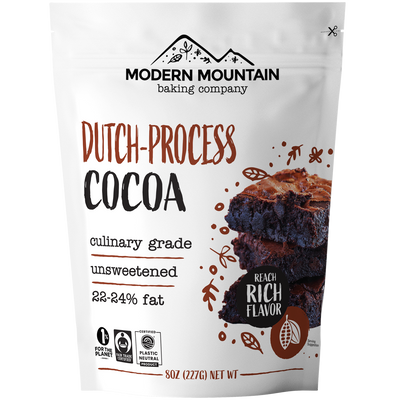
Fudgy is a ratio, and cocoa butter is most of it. Our Dutch-Process Cocoa runs 22-24% cocoa butter, so the same pan bakes moister and tastes rounder, without the sharp bite of natural cocoa.
Dark & Black Cocoa Brownies
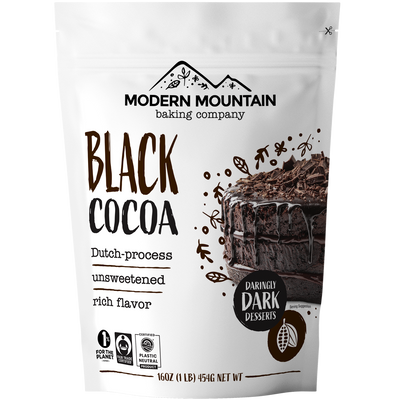
Black cocoa is ultra-Dutched, which takes the acidity out and the color almost to black. Six that go dark on purpose, from a pan where black cocoa is the only cocoa to the espresso and malt versions that deepen chocolate from a different angle.
Black Cocoa Brownies
A full cup of black cocoa is the only cocoa in the bowl, which is where the near-black crumb comes from. Little to no food coloring, and the color is all cocoa.

Dark Chocolate Fudgy Brownies
Black cocoa and a quarter cup of brewed espresso, with the butter and sugar cooked together before the eggs go in. It lands squarely in cookies-and-cream territory, under a whipped ganache.

Shiny-Topped Black Cocoa Brownies
Half black cocoa, half Dutch-process, plus a teaspoon of cream of tartar to bring the pH back down so the sugar crust can form. That crackly top is chemistry.

Black Cocoa Miso Brownies
Miso in a brownie sounds like a stunt until you taste it. A tablespoon of white miso under a third of a cup of black cocoa, doing the salt's job and then some.

Fudgy Espresso Brownies
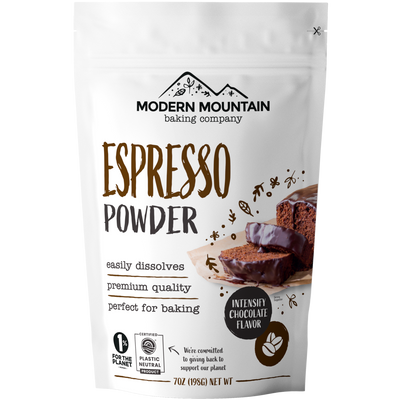
Three-quarters of a cup of Dutch-process cocoa with a tablespoon of espresso powder stirred through it. No coffee flavor comes through, the chocolate just reads louder.

Chewy Fudgy Malted Brownies
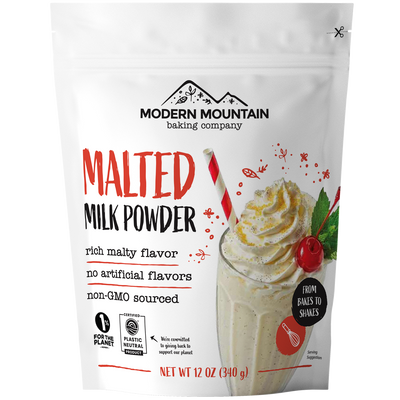
Malted milk powder whisked into brown butter with Dutch-process cocoa, then 255 grams of dark chocolate melted in. Malt is what makes a chocolate bake taste like a soda fountain.
Blondies & Butterscotch Brownies
Take the cocoa out of a brownie and put brown sugar where it was, and you have a blondie. That is why the old name for them was butterscotch brownies. Three pans: the baseline, a heavily malted one, and brown butter with butterscotch chips.

Classic Blondies
Joy's is the one to learn on. 250 grams of brown sugar to 190 of flour, melted butter, two eggs, toasted walnuts and dark chocolate chunks folded through.
Salted Butter Malted Milk Blondies
Forty grams of malted milk powder against a cup of flour, which is a lot of malt on purpose. Her notes call for the regular kind specifically, not diastatic.

Brown Butter Butterscotch Blondies
Butterscotch is what brown sugar and browned butter do together, and this 9x13 has both plus a cup of butterscotch chips. Beaten three minutes for the lift.
Filled & Layered Brownies
A layer changes what a brownie is more than any mix-in can. Six built in stages, and the tell is whether the filling gets swirled through raw batter or set on top of a base that is already baked.
Fudgy Cream Cheese Swirl Brownies
Cheesecake brownies usually mean a thin swirl. This one runs a full cheesecake layer, then knifes nine dollops of thinned batter through the top. The darker the base, the more the white shows.

Cookie Dough Brownies
Three layers and not one of them swirled: a baked brownie, eggless cookie dough made with heat-treated flour, then poured chocolate that sets hard in the fridge.

Salted Caramel Brownies
The caramel goes into the pan first and the batter bakes on top of it, so you get a caramel floor instead of a swirl. Cooked to 245F, with two teaspoons of kosher salt.

Peanut Butter Brownies
Most of the cup of peanut butter sits as a middle layer between two halves of batter, with the last two tablespoons swirled across the top. Eggs beaten pale for the shiny lid.

Red Velvet Cream Cheese Brownies
Red velvet is a cocoa recipe in disguise. Three-quarters of the red batter goes down first, the cream cheese over it, and the rest gets spooned into the gaps and marbled.

S'mores Brownies
Four layers deep: a pressed graham crust under an oil-based batter, ganache poured over the cooled pan, then five cups of mini marshmallows baked and broiled until they blister.
Gluten-Free, Vegan & Keto Brownies
Brownies take substitution better than most bakes, because there is so little flour holding the thing together to begin with. Three that pull out the wheat, the eggs or the sugar and still crack on top.
Chewy Gluten-Free Brownies
A one-to-one flour swap that actually holds together: three-quarters of a cup of measure-for-measure gluten-free flour matched by the same amount of Dutch-process cocoa, under a paper-thin shiny top.

Aquafaba Vegan Brownies
Half a cup of aquafaba whipped with the sugar to thick ribbons is what gives a vegan brownie its crinkle. Dutch-process cocoa and a teaspoon of espresso powder underneath it.

Keto Brownies with Crinkly Tops
Almond flour for the wheat, allulose for the sugar. His note is the useful part: erythritol blends turn grainy, while allulose dissolves and gives you the crackly top.
Brownie Hybrids: Brookies, Bites & Skillets
Same batter, different shape, and the shape changes the eating. Six that leave the 8x8 behind, two of them ours.
Our RecipeMocha Brownie Pizza
Brownie batter baked flat on a pizza pan, cooled, spread with espresso buttercream and cut into wedges. Black Cocoa for the base, Espresso Powder in the frosting.
 Our Recipe
Triple Chocolate Brownie Brittle
The whole pan becomes an edge. Batter spread thin, baked, cut, baked again, then cooled in the switched-off oven until it snaps. Black Cocoa does the color.

Brown Butter Brookies
A brookie is two doughs in one pan. This one alternates dollops of brown butter cookie dough and brown butter brownie batter, so every square ends up half of each.

25-Minute Brownie Cookies
Brownie batter behaves like cookie dough if you scoop it while it is still warm. Hers uses half black cocoa and half Dutch-process, and eight cookies bake in ten minutes.

Brownie Bites
One tablespoon of batter per mini-muffin well, thirty-six of them, twelve to fourteen minutes. A cup of Dutch-process cocoa against a cup of flour keeps them fudgy at that size.

Triple Chocolate Skillet Brownie
Baked in cast iron and served warm with spoons instead of cut into squares. Three kinds of chocolate in one batter, no leavener, eight people standing around the pan.
Stock the Pantry
Free shipping on orders over $30
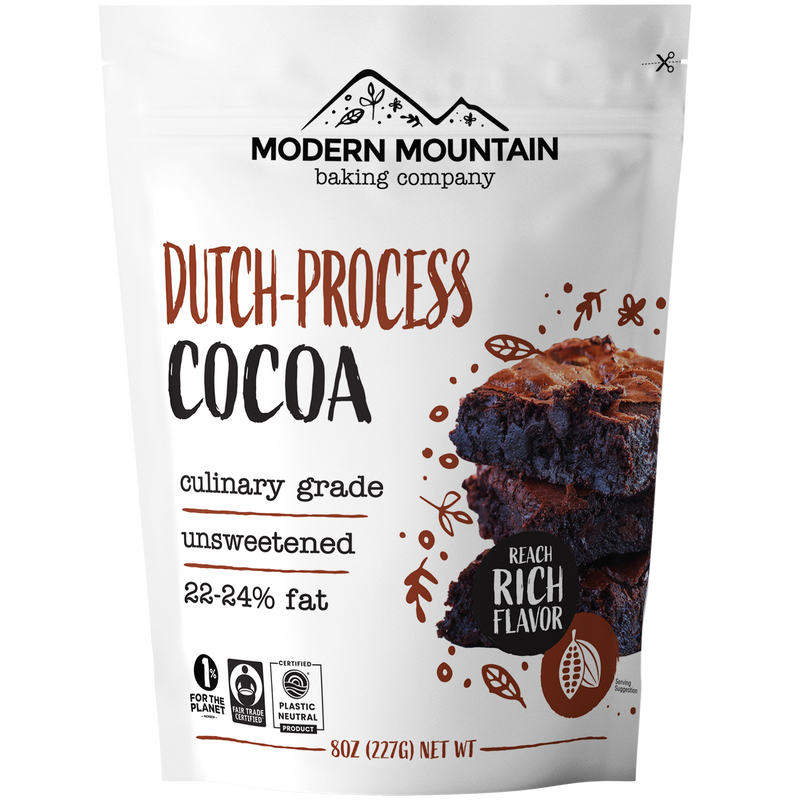
The Scoop on our Dutch-Process Cocoa Powder
Elevate your chocolate creations with our premium Dutch-process cocoa - smooth, bold, and incredibly rich with 22-24% cocoa butter for decadently moist brownies, cakes, and cookies that keep everyone coming back for seconds.
 Rich, Smooth Flavor
- High Fat Content
- Culinary-Grade Quality
- Free shipping on orders over $30

We've Got Answers
What is the difference between fudgy and cakey brownies?
Fat against flour. A fudgy pan runs heavy on butter or oil and cocoa butter with very little flour and no leavener, so it sets dense and cuts into a slab. A cakey pan adds flour, baking powder or soda, and often milk, so it rises and holds an open crumb. Same ingredient list, different proportions.
What makes a brownie chewy?
Several small moves working on the same problem. Trading part of the butter for oil keeps the pan soft at room temperature, an extra egg yolk adds fat without more water, and a tablespoon of cornstarch softens the flour's protein. Brown sugar helps too, since it holds on to moisture the way white sugar does not.
Should I use Dutch-process or natural cocoa in brownies?
It depends on the leavener. With no baking soda in the recipe, Dutch-process is the better pick: less acidic, rounder tasting, and ours carries 22-24% cocoa butter, which is where a lot of the fudginess comes from. If the recipe leans on baking soda to rise, it needs natural cocoa's acid to react, and swapping in Dutch will flatten it.
Can you use black cocoa in brownies?
Yes, and the color is why people do. Black cocoa is ultra-Dutched, so it bakes near-black with little to no food coloring and tastes smooth and low in acid, closer to a sandwich cookie than to a dark chocolate bar. Most bakers split it with Dutch-process rather than using it alone, which keeps the chocolate flavor full while the pan still goes very dark.
How do you get the shiny crackly top?
That thin crust is dissolved sugar rising to the surface, so give the sugar every chance to dissolve. Beat the eggs and sugar until the mixture turns pale and ribbons off the whisk, and add the sugar to warm butter or warm melted chocolate rather than cold. Very alkaline batters fight it, which is why some black cocoa recipes add a pinch of cream of tartar.
How do you know when brownies are done?
The toothpick test misleads here. A clean toothpick means a fudgy pan is already past it. Pull them when the pick comes out with moist crumbs clinging to it and the edges have just started to pull away from the sides. The center keeps setting as it cools, so give the pan an hour before you cut.
More Baking Adventures
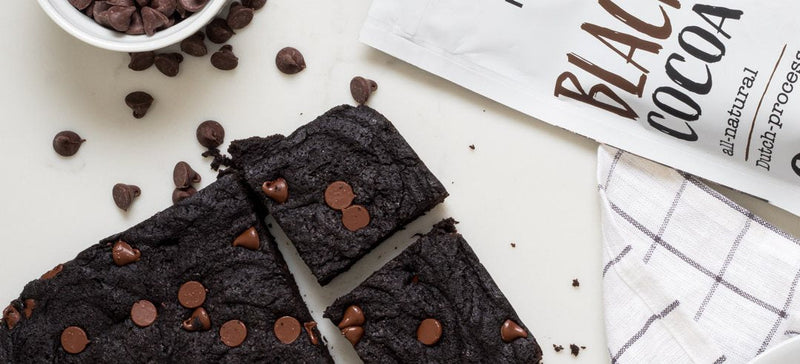
Best Brownie Recipes
Thirty more, picked for how good they are rather than what kind they are. No creators repeated from this page.
black cocoa
The Best Black Cocoa Powder Recipes
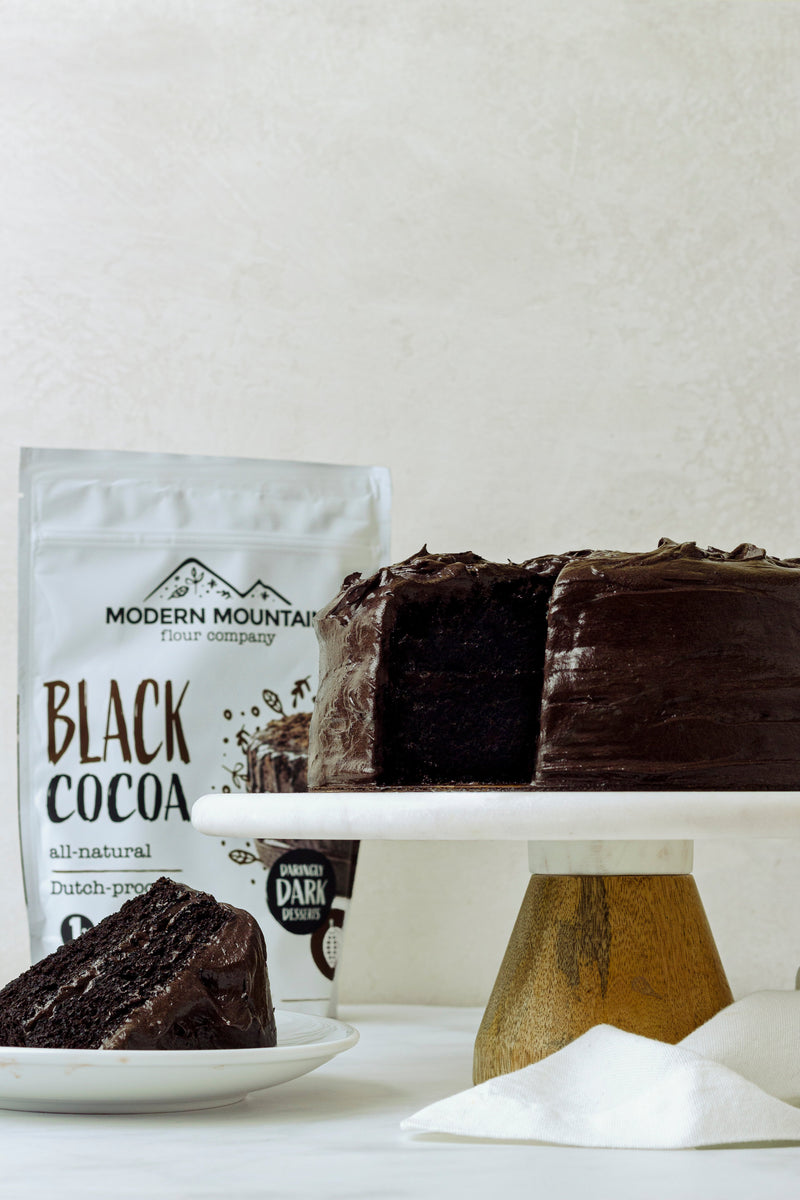
Everything else black cocoa is good for once the brownies are gone.
Chocolate
Top Dutch-Process Cocoa Powder Recipes
Where the 22-24% cocoa butter earns its keep outside a brownie pan.
Baking Science
What is Black Cocoa Powder?
Why the darkest brownies on this page look nearly black, and how to bake with it.
The Best Mocha Dessert Recipes
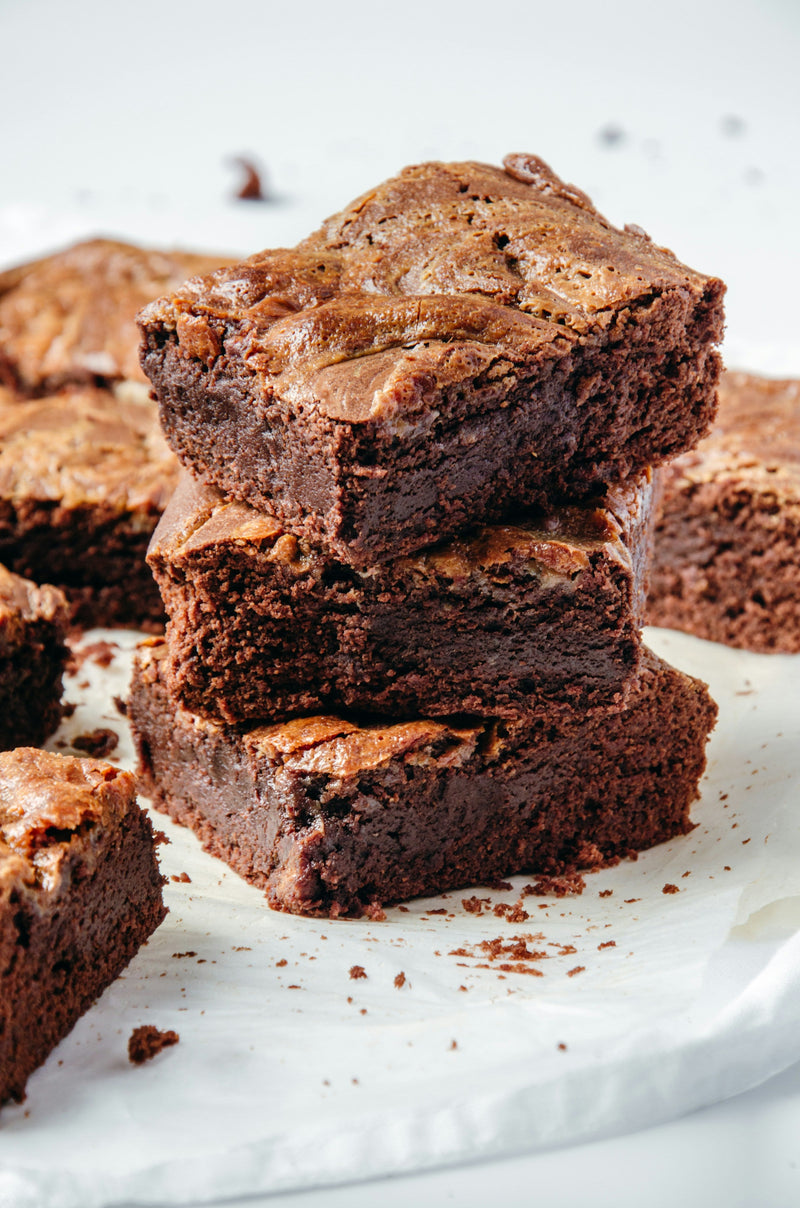
Coffee and chocolate together, from fudgy brownies to layer cakes.
Chocolate
Espresso Powder Recipes
A teaspoon deepens any brownie here. This is where else it goes.