

Dark Chocolate Dessert Recipes
Dark chocolate desserts are for the people who eat the corner brownie first and skip the sprinkles. These twenty-seven use more chocolate and less sugar, with bittersweet bars, Dutch or black cocoa and a pinch of salt doing the work. They are sorted by what you want to make tonight, from cupcakes and cookies to mousse and sorbet.
Six to Bake First
One from each section, from black cocoa cupcakes to a salted chocolate sorbet. Pick whichever fits the night.

Dark Chocolate Cupcakes
A blend of black and Dutch-process cocoa goes into both the cake and the frosting, bloomed in hot coffee. The crumb bakes almost black and stays soft from sour cream.

Black Cocoa Double Chocolate Cookies
Black cocoa dough loaded with dark chocolate chunks and finished with flaky salt. Expect a near-black cookie with the smooth sandwich-cookie flavor black cocoa is known for.

Dark Chocolate Tahini Brownies
Browned butter, bittersweet chocolate, Dutch cocoa and a spoon of espresso powder, then tahini swirled through and flaky salt on top. Fudgy with a toasted sesame finish.

No-Bake Dark Chocolate Tart
A 70% ganache softened with a little honey, poured into a chocolate cookie crust and chilled. No oven at all, just a few hours in the fridge for the glossiest top on the page.

Chocolate Pots de Creme
Five ounces of 70% chocolate and five yolks, baked gently in a water bath and chilled. Silky little custards you can make a day ahead of dinner.

Salted Dark Chocolate Sorbet
Dutch cocoa and unsweetened chocolate, sweetened with dates and prunes and finished with flaky salt. Dairy-free and about as dark as a scoop gets.
Dark Chocolate Cakes and Cupcakes
Black cocoa crumbs, a fudgy flourless round and an olive oil cake that stays light. Four lean on black or Dutch cocoa, and two get all their color from bar chocolate.
Dark Chocolate Cupcakes
A blend of black and Dutch-process cocoa goes into both the cake and the frosting, bloomed in hot coffee. The crumb bakes almost black and stays soft from sour cream.

Dark Chocolate Bundt Cake
Half a cup of black cocoa and hot coffee make this the darkest cake on the page, while oil and buttermilk keep each slice moist for days.

Dark Chocolate Olive Oil Cake
Seven ounces of 70% chocolate melted into olive oil, with no cocoa powder at all. Light and airy where the others run fudgy, with the olive oil showing up in the finish.

Flourless Chocolate Cake
Nearly 12 ounces of 70% chocolate, baked low at 275F for a dense, fudgy set. Instant coffee deepens the chocolate, and Espresso Powder does the same job.

Dark Chocolate Sheet Cake
Two-thirds of a cup of Dutch cocoa goes into one bowl and one 9x13 pan, with more in the buttercream. Feeds a crowd with the least cleanup on the page.
 Our Recipe
Black Cocoa Layer Cake
Our own two-layer cake, with three-quarters of a cup of Black Cocoa in the batter and more in a tangy cream cheese frosting. A near-black crumb with little to no food coloring.

Swap the cocoa, skip the dye aisle
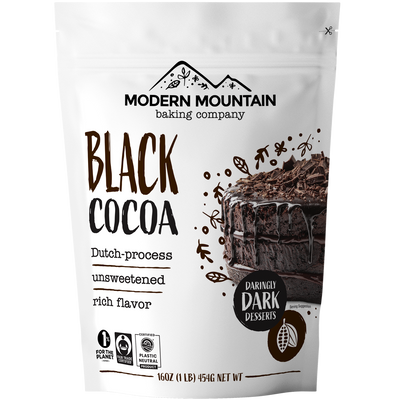
Black Cocoa is ultra-Dutched to a near-black color, so a cake or cookie bakes dark with little to no food coloring. Swap it in for half the cocoa in any recipe built on Dutch-process, and the flavor stays smooth and low in acid, with a classic sandwich-cookie note.
Dark Chocolate Cookies
The darkest cookies cut the flour way back and let bar chocolate do the work. Flaky salt shows up a lot here, and for good reason.
Black Cocoa Double Chocolate Cookies
Black cocoa dough loaded with dark chocolate chunks and finished with flaky salt. Expect a near-black cookie with the smooth sandwich-cookie flavor black cocoa is known for.

Salted Dark Chocolate Cookies
A pound of 70% chocolate and barely 85 grams of rye flour, sweetened with muscovado. Crackly on top, nearly molten in the middle, then finished with flaky salt.

Dark Chocolate Chunk Cookies
Brownie-batter cookies with melted 60% chocolate in the dough and chunks folded through. Glossy crinkled tops and soft centers for anyone who wants dark but not too intense.

Salted Dark Chocolate Tahini Cookies
Oats replace the flour and tahini adds a nutty, savory edge, so these bake fudgy with only maple for sweetness. A pinch of flaky salt on top finishes them.

Dark Chocolate Rye Cookies
Rye flour tastes nutty next to bittersweet chocolate, and dark brown sugar adds a molasses note. A forgiving everyday dough, easy for a first batch.

Chocolate Chocolate Cookies
Bakery-style: a crisp chocolate crumb gets baked first, then folded into a Dutch and black cocoa dough with 60% chocolate. Little pockets of crunch inside a chewy cookie.
Dark Chocolate Brownies and Bars
Tahini, espresso and a shortbread ganache bar. For the classic fudgy pan, our types of brownies guide has the rest.
Dark Chocolate Tahini Brownies
Browned butter, bittersweet chocolate, Dutch cocoa and a spoon of espresso powder, then tahini swirled through and flaky salt on top. Fudgy with a toasted sesame finish.

Espresso Brownies
Fourteen ounces of dark chocolate meet 10 grams of espresso powder and a sprinkle of sea salt flakes. Crackled tops, dense middles and a chocolate flavor that reads twice as deep.

Dark Chocolate Shortbread Bars
A thick dark chocolate ganache, deepened with espresso powder, sandwiched between buttery shortbread and a crumble top. Cuts into neat squares for a bake sale or a lunchbox.
Dark Chocolate Tarts and Pies
A no-bake ganache tart and two silky custard pies. All three set in the fridge, so they are done before anyone arrives.
No-Bake Dark Chocolate Tart
A 70% ganache softened with a little honey, poured into a chocolate cookie crust and chilled. No oven at all, just a few hours in the fridge for the glossiest top on the page.

Chocolate Silk Pie
A cooked French silk filling made with 60% dark chocolate in an all-butter crust. Every bit as silky as the raw-egg classic, under a cloud of whipped cream.

Dark Chocolate Cream Pie
Bittersweet custard in a sweet tart crust, with a smart trick: brush the baked crust with melted chocolate first so it stays crisp under the filling.
Dark Chocolate Mousse and Puddings
Pots de creme, budino, panna cotta and mousse. Most chill overnight, and one is done in the time it takes to melt the chocolate.
Chocolate Pots de Creme
Five ounces of 70% chocolate and five yolks, baked gently in a water bath and chilled. Silky little custards you can make a day ahead of dinner.

Chocolate Budino
An Italian chocolate pudding with six ingredients and 70% chocolate, set with cornstarch and turned out of the mold. Stovetop only, then into the fridge.

Dark Chocolate Panna Cotta
Made with 100% unsweetened chocolate plus cocoa, so you set the sugar to taste. The least sweet dessert on the page, unmolded onto the plate with berries.

Chocolate Mousse
Four ingredients and one firm rule: the chocolate has to be 70 to 85%. Light and airy, and a good lesson in why the percentage on the bar matters.

72% Dark Chocolate Panna Cotta
Set right in the glass, so there is no unmolding: seven ounces of 72% chocolate in a cream-only base. Top with a cherry and serve it cold.

Two-Ingredient Chocolate Mousse
Just 70% chocolate and water, whisked over ice until it turns to mousse. No cream or eggs, and it really is done in about five minutes.
Frozen Dark Chocolate Desserts
Freezing mutes flavor, so these lean hard on 70% chocolate, cocoa and salt. A dairy-free sorbet, a no-churn tin and a churned custard.
Salted Dark Chocolate Sorbet
Dutch cocoa and unsweetened chocolate, sweetened with dates and prunes and finished with flaky salt. Dairy-free and about as dark as a scoop gets.

No-Churn Dark Chocolate Ice Cream
No machine needed: 70% chocolate folded into condensed milk and whipped cream, then frozen in a tin. Go with 85% chocolate for an even darker scoop.

Dark Chocolate Ice Cream
A churned custard base with half a cup of Dutch cocoa and four ounces of bittersweet chocolate. Scoops smooth and dense, the closest thing to a shop pint.
Stock the Pantry
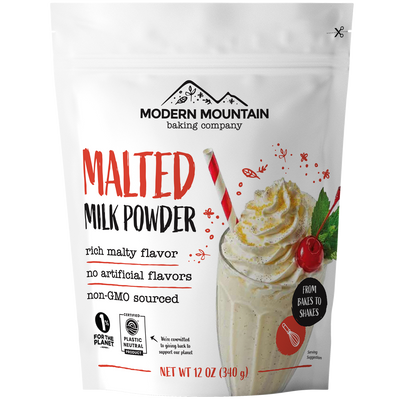
Free shipping on orders over $30

The Scoop on our Black Cocoa Powder
Ultra-Dutched to a near-black darkness for that jet-black crumb and smooth, cookies-and-cream flavor. Non-GMO sourced and batch-tested so your color and taste land the same, every time.
 Dramatically Dark
- Bold, Rich Flavor
- Skip the Dye Aisle
- Free shipping on orders over $30

We've Got Answers
What makes a dessert "dark chocolate"?
More chocolate and less sugar. Most of these recipes call for bar chocolate in the 60 to 72% range, where the percentage is the share of the bar that comes from the cocoa bean and most of the rest is sugar. Cocoa powder adds depth with no sweetness at all, and Dutch-process or black cocoa gives the darkest color with a smooth, low-acid flavor.
What percentage of dark chocolate is best for baking?
60 to 70% works in most recipes, and it is what the majority of these call for. Above about 72% there is less sugar and more cocoa solids, so a batter can bake drier and taste bitter unless the recipe was written for it. Chips are made to hold their shape, so when the chocolate melts into a batter, ganache or mousse, chop a bar instead.
Can I use Black Cocoa instead of regular cocoa powder?
Yes, anywhere the recipe calls for Dutch-process cocoa or relies on baking powder for lift. Natural cocoa is acidic and reacts with baking soda, so in those recipes swap only part of it or add a little baking powder. Black Cocoa is ultra-Dutched, so it bakes near-black with little to no food coloring and tastes smooth rather than sharp. Swapping half the cocoa gives a deep color that still tastes like classic chocolate.
Why do chocolate desserts call for espresso powder or coffee?
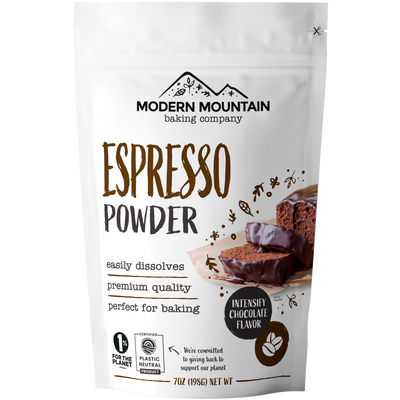
Coffee and chocolate share many of the same roasted flavors, so a small amount makes chocolate taste deeper without tasting like coffee. Espresso Powder dissolves completely, so a teaspoon goes straight into a batter, ganache or custard with no grit. Brewed coffee in a cake batter does the same job and adds moisture.
What is the difference between Dutch-process and natural cocoa?
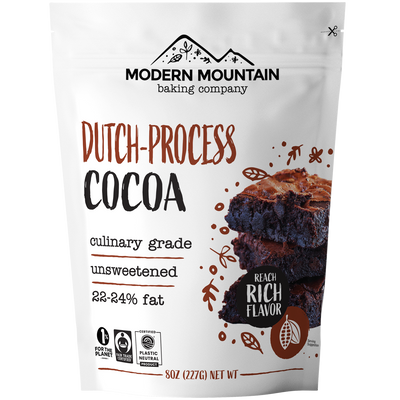
Dutch-process cocoa is treated to lower its acidity, which makes it darker and smoother. Natural cocoa is lighter in color, sharper in flavor and acidic. Our Dutch-Process Cocoa carries 22-24% cocoa butter, which shows up as a moister, fudgier crumb in cakes and brownies. Use the cocoa the recipe names unless you also adjust the leavening.
How do I keep dark chocolate desserts from tasting bitter?
Salt and vanilla round off the bitter edge, which is why so many of these finish with flaky salt. Do not overbake, since scorched cocoa turns harsh, and pull brownies and flourless cakes while the center still looks slightly underdone. A spoon of whipped cream or a scoop of ice cream on the side balances the darkest bites.
More Baking Adventures
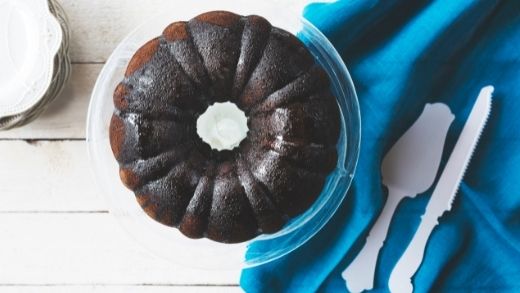
black cocoa
The Best Black Cocoa Powder Recipes
Near-black bakes with little to no food coloring.
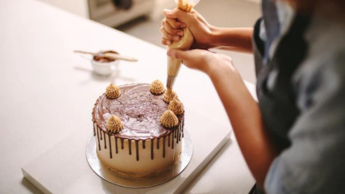
Chocolate
Top Dutch-Process Cocoa Powder Recipes
Cakes, brownies and frostings built on smooth, dark cocoa.
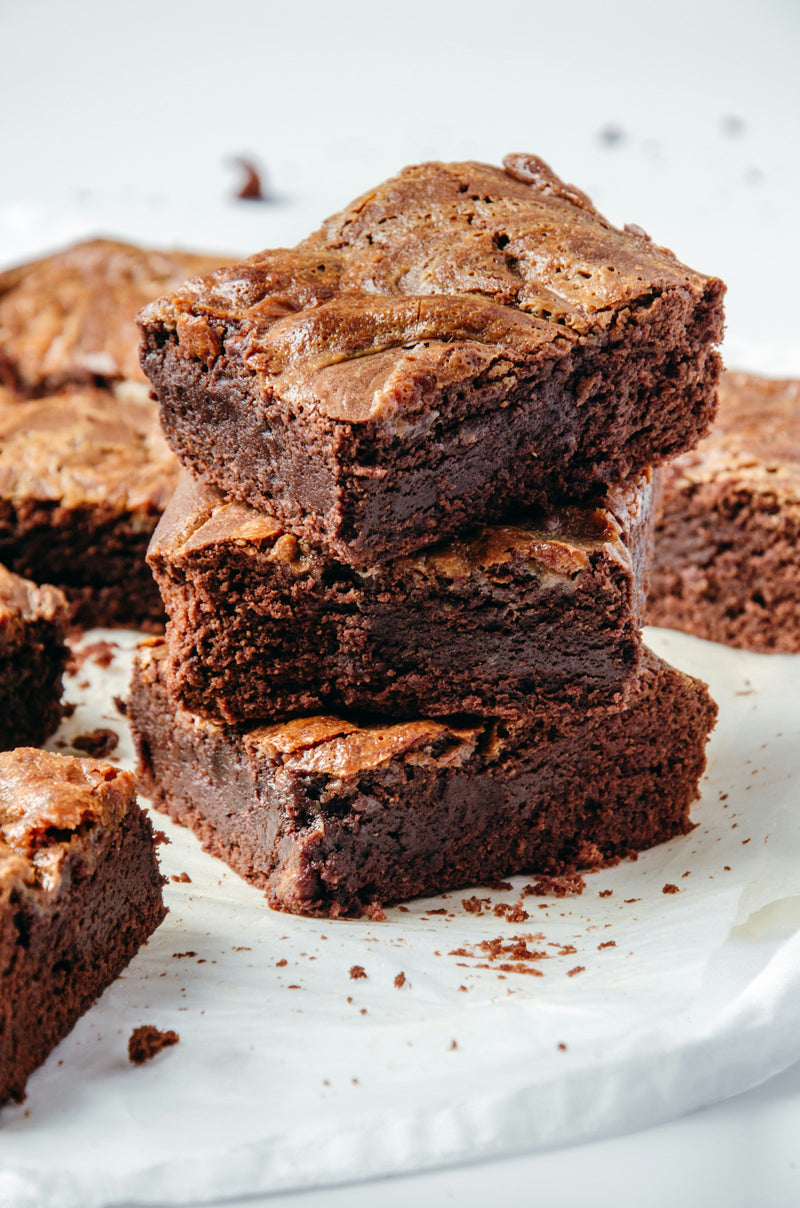
Chocolate
Espresso Powder Recipes
A spoonful that makes the chocolate in everything taste darker.
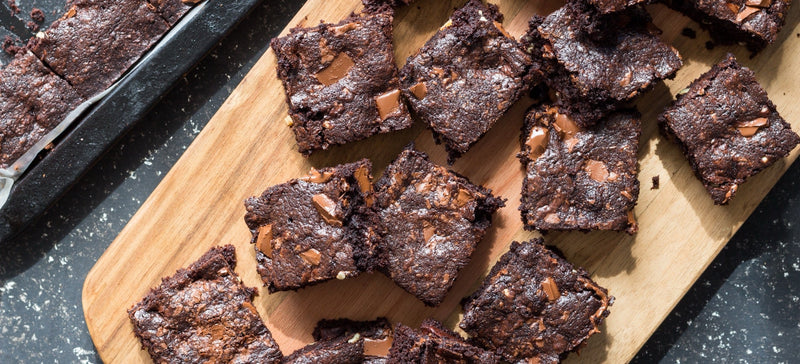
Types of Brownies
Fudgy, cakey, chewy and the rest, sorted so you can pick your pan.
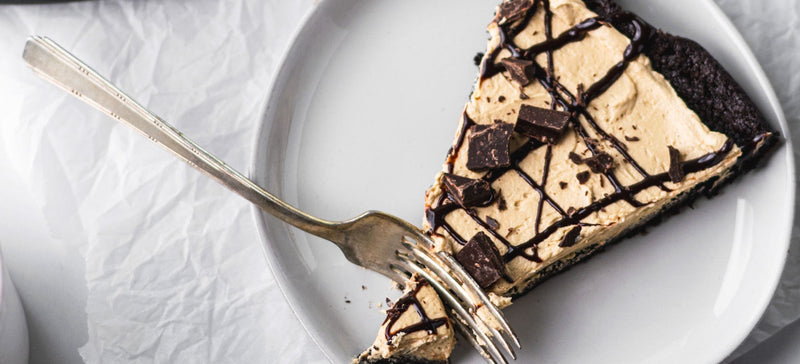
The Best Mocha Dessert Recipes
Chocolate and coffee together, from layer cakes to frozen treats.
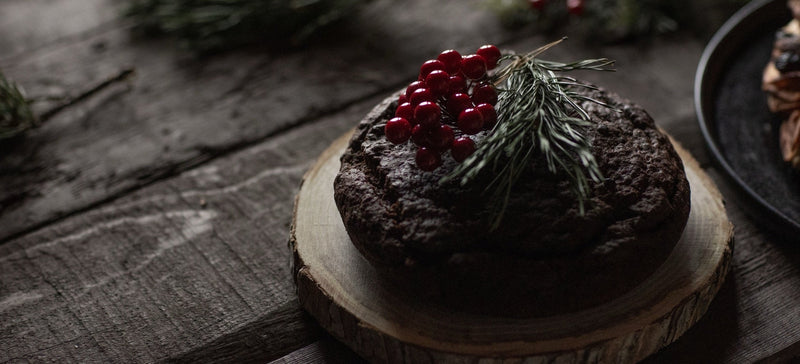
Dark Chocolate Christmas Desserts
Yule logs, tortes and tarts for the darkest plate at the holiday table.