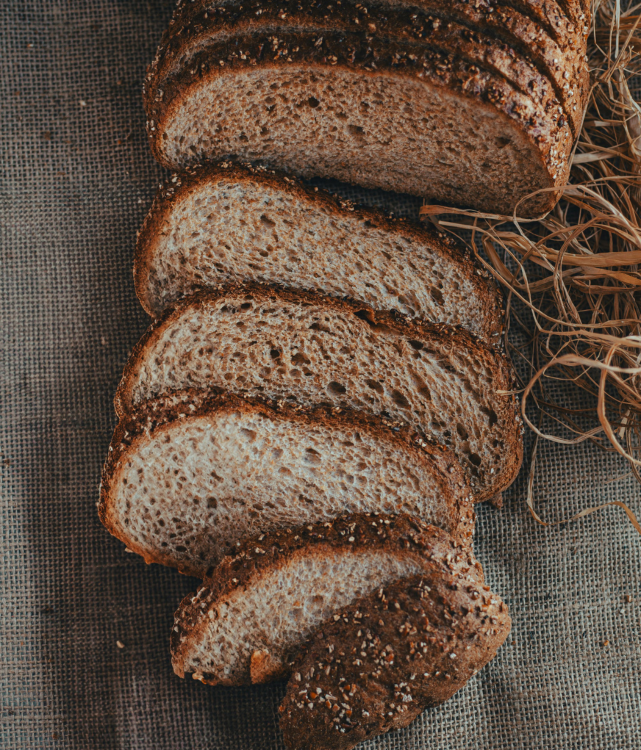
Ancient wheat is hard to beat, and KAMUT makes the case better than most. It's been growing since the time of the pharaohs, and it still tastes like something worth the wait: nutty, buttery, faintly sweet, with a firm bite and a golden color modern flour can't fake.
What is KAMUT flour, exactly?
KAMUT is the registered trademark for Khorasan wheat, an ancient large-grained wheat closely related to durum. The word "kamut" comes from an ancient Egyptian term meaning "soul of the earth," which is why you'll hear it called Pharaoh's Wheat or King Tut's Wheat. The trademark is a promise about how the grain is grown: always organically grown, never hybridized or genetically modified, held to set nutritional and quality benchmarks.
A LITTLE HISTORY
The modern KAMUT story starts in Montana. The Quinn family planted the first crop in 1978 and had it certified organic by around 1989. Every kernel sold today traces back to that commitment to keeping the grain ancient and unaltered.
Is KAMUT the same as wheat?
Yes and no. KAMUT is a form of wheat, so it behaves like wheat and contains gluten. But compared to modern wheat it's higher in protein and fiber, never hybridized or modified, always organically grown, and naturally golden from its carotenoids. Because it's Certified Organic, it is non-GMO by definition - no separate label needed.
KAMUT vs modern wheat vs spelt: how do they compare?
| KAMUT (Khorasan) | Modern Wheat | Spelt | |
|---|---|---|---|
| Grain type | Ancient large-grained wheat, durum relative | Hybridized common wheat | Ancient wheat |
| Gluten | Contains gluten | Contains gluten | Contains gluten |
| Growing standard | Always organic, never hybridized/modified | Widely hybridized; varies | Varies by producer |
| Protein & fiber | Higher than modern wheat | Baseline | Moderate |
| Flavor | Nutty, buttery, faintly sweet | Neutral, mild | Nutty, slightly sweet |
| Color | Golden (high carotenoids) | Pale | Pale to light tan |
| Baking swap | 1:1 for wheat; may drink more liquid | - | ~1:1, more delicate gluten |
All three contain gluten, so none is safe for celiac disease or severe gluten sensitivity.
Is KAMUT flour good for you?
KAMUT is rich in protein and dietary fiber and delivers B1 and B3 along with manganese, zinc, phosphorus, and iron. It carries polyphenols studied for antioxidant and anti-inflammatory activity, plus the carotenoids behind its golden hue. Peer-reviewed trials on khorasan wheat (the grain sold as KAMUT) have found benefits versus modern wheat in people without celiac disease - reduced IBS symptoms (Sofi et al., British Journal of Nutrition, 2014) and improved cholesterol and inflammatory markers (Whittaker et al., Nutrients, 2015). These are grain-versus-wheat findings, not health claims for our flour.
PLEASE READ
KAMUT contains gluten and is not safe for anyone with celiac disease or severe gluten intolerance. Easier digestibility applies only to non-celiac sensitivities. Nutrition claims here reflect current research, not medical advice.
What can you make with KAMUT flour?
Substitute it 1:1 for whole-wheat or all-purpose flour in almost anything; as a whole grain it may absorb slightly more liquid. It shines in yeasted breads, flatbreads, and sourdough; muffins and scones; tortillas; pizza dough; and nutty, buttery cookies. See our top KAMUT flour recipes.

How do I bake with KAMUT flour?
KAMUT swaps 1:1 for whole-wheat or all-purpose flour in most recipes. A few habits get the best results:
- Hydrate a little more. As a whole grain it absorbs more liquid; if a dough looks dry, add water a tablespoon at a time.
- Give it a rest. Letting mixed dough sit 20-30 minutes before shaping improves the crumb.
- Don't overmix. Its gluten is strong but turns tough if worked hard - mix until just combined for tender muffins, scones, and cookies.
- Lean into its strengths. Its nutty, buttery flavor and golden color shine in breads, sourdough, tortillas, and pizza dough.

How should I store KAMUT flour?
As a whole-grain flour, KAMUT carries more of the germ's natural oils than refined white flour, so it can lose freshness faster. Store it airtight, cool, dry, and dark, and it keeps for a few months. For longer storage, the fridge or freezer protects the flavor and golden color - let it return to room temperature before baking. Fresh KAMUT smells sweet and nutty; a sharp or musty smell means it's past its prime.

What can you substitute for KAMUT flour?
Spelt is the closest match (see the table above), another ancient wheat, followed by whole-grain wheat flour; amaranth works for a partial swap. None matches the exact flavor and golden color, but they'll get close in structure.