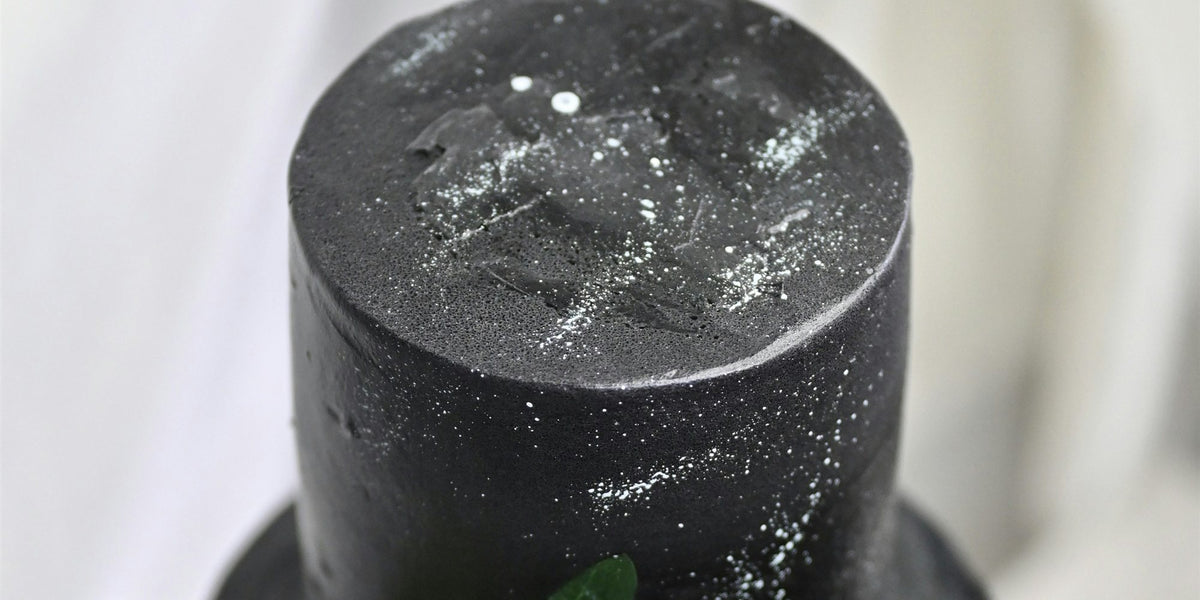
Black cocoa is how you get that dramatic, near-black crumb - the color that makes people ask if you used dye. Nope - it comes straight from the cocoa. Here's how to bake with it so you get the color and the smooth, cookies-and-cream flavor without a dry or overpowering result.
Is black cocoa the same as Dutch-process cocoa?
Sort of - it's Dutch-process taken to the extreme. Heavy alkalization gives it a near-black color and an ultra-smooth, low-acidity flavor with that classic sandwich-cookie note. Standard Dutch cocoa is milder and browner; black cocoa is the dark, dramatic end of the same family.
Can I substitute black cocoa 1:1 for regular cocoa?
Blend it rather than swap it straight. Because black cocoa is so heavily processed, an all-black batch can bake up dry and taste overpowering. Our go-to: 50/50 black and Dutch-process for deep color with full flavor, or 2/3 Dutch to 1/3 black when you want to keep things extra moist. Black cocoa and Dutch-process cocoa are teammates here, not rivals.
| Blend | Best for |
|---|---|
| 50/50 black and Dutch-process | Deep color with full flavor |
| 2/3 Dutch-process, 1/3 black | Keeping the crumb extra moist |
Do I use baking soda or baking powder with black cocoa?
Baking powder. Black cocoa is alkaline, so it won't react with baking soda the way acidic natural cocoa does. If you're converting a recipe that uses baking soda, swap in about 3 tsp baking powder for every 1 tsp baking soda you remove, and you'll keep your rise.
How do I get a truly jet-black bake without food coloring?
Lean on the cocoa. Use black cocoa as the main cocoa in the recipe and the color comes through dark on its own - little to no dye needed. The color also deepens as the bake cools and sits, so don't judge it hot out of the oven. (For frostings, black cocoa buttercream darkens over a few hours as it hits the air.)
Want it darker? Bloom the black cocoa first - whisk it into a little hot liquid (melted butter, hot coffee, or just-boiled water) before it goes into the batter. Blooming wakes the color up and pushes it deeper, and it works hardest in baked goods, where oven heat sets that near-black tone. It helps frostings and no-bakes too, a touch more gently - and like the bakes, those keep darkening as they sit.
If you have bloomed it and still want more color, a tiny bit of black food gel closes the gap - just a tad, since the black cocoa is already doing most of the work.
Does black cocoa taste bitter?
No - the heavy alkalization actually smooths it out, so the flavor is intense but not bitter. The pitfall isn't bitterness, it's overuse: too much black cocoa reads dry and ashy, which is exactly why the Dutch-process blend is the move.